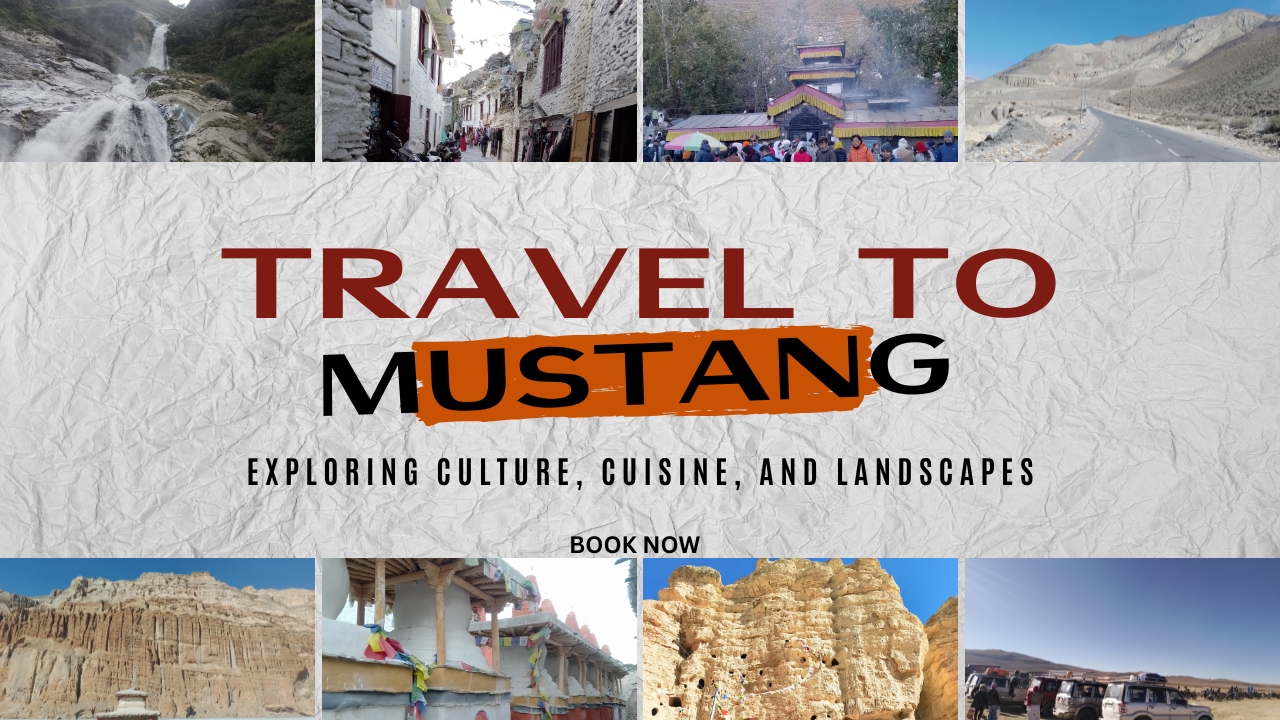
Tucked behind the high Himalayan rain shadow of the Annapurna and Dhaulagiri massifs, Upper Mustang – once sealed to the outside world as the Lo Kingdom – remains one of the most culturally intact Tibetan enclaves on earth. Unlike the comparatively accessible Lower Mustang, the Upper Mustang Restricted Area requires a special Restricted Area Permit (RAP) costing USD 500 for the first 10 days, making every kilometre feel genuinely earned.
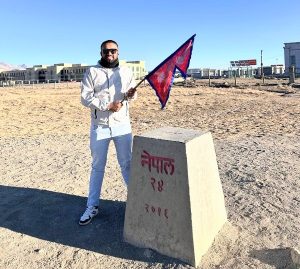
In September, I completed a 4-day Upper Mustang jeep tour departing from Pokhara, Nepal, and drove all the way to the Korala–China border at 4,660 m. This post is a detailed first-person account covering the daily itinerary, packing list, road conditions, permit requirements, and post-tour activities in Pokhara – everything you need to plan your own expedition.
Why Choose September for an Upper Mustang Jeep Tour?
Most travellers avoid Mustang during the June–August monsoon, but the tail end of the season (late September) is a strategic sweet spot. The rain shadow effect means Upper Mustang receives only a fraction of the precipitation that soaks the rest of Nepal, yet the skies clear dramatically as the monsoon retreats – delivering crisp, low-humidity air and unobstructed panoramic views of Nilgiri North (7,061 m), Annapurna I (8,091 m), and the Kali Gandaki canyon walls. Apple orchards in Marpha village are at full harvest, and the famous Tiji Festival (if timed right in spring) is replaced in autumn by quieter, more personal encounters with local Loba communities.
Pro tip: Avoid peak crowds (October–November) by travelling in late September. You’ll enjoy the same visibility with fewer jeep convoys on the single-track mountain roads.
Essential Permits for Upper Mustang
Before planning any itinerary, understand that Upper Mustang is a restricted trekking zone. You cannot enter beyond Kagbeni without the following documents:
-
- Restricted Area Permit (RAP): USD 500 per person for 10 days (issued by the Department of Immigration, Kathmandu or Pokhara)
-
- Annapurna Conservation Area Project (ACAP) Permit: NPR 3,000 per person
-
- TIMS Card (Trekkers’ Information Management System)
All permits must be presented at multiple army checkposts between Kagbeni and Lo-Manthang. Keep physical copies organized and accessible at all times.
Upper Mustang Jeep Tour: 4-Day Itinerary
Day 1: Pokhara → Khinga (165 km | ~11 hours)
The journey begins early – breakfast at 7:30 AM and departure from Pokhara’s Prithvi Chowk area toward the Beni–Jomsom Highway. The road follows the Kali Gandaki River, one of the world’s deepest gorges, through rapidly changing ecosystems – subtropical forest giving way to dry alpine scrub as you gain altitude.
-
- Baglung Kalika Temple– A significant Shakti Peetha on the banks of the Kaligandaki, revered by Hindu pilgrims across Gandaki Province
-
- Galeshwor Dham– An important pilgrimage site featuring the sacred Chakra-sila (disc-shaped rock formation) worshipped as a manifestation of Lord Vishnu
-
- Tatopani– Lunch stop famous for its natural hot springs; the name literally means “hot water” in Nepali
-
- Rhupse Waterfalls – A 300-metre cascade visible from the road, particularly powerful in late monsoon
-
- Marpha village– UNESCO-recognized for its traditional Thakali architecture, cobblestone alleys, and award-winning apple brandy; the village sits at 2,665 m
-
- Jomsom – The administrative headquarters of Mustang District, known for its ferocious afternoon winds funnelled through the Kali Gandaki corridor
-
- Dhumba Lake – A serene glacial lake on the outskirts of Jomsom, offering reflections of the surrounding peaks
Overnight: Khinga village guesthouse (elevation ~2,800 m)
Day 2: Khinga → Lo-Manthang via Kagbeni and Muktinath (68 km | ~8 hours)
This is the day you officially enter the Upper Mustang Restricted Area at the Kagbeni checkpoint. Morning begins with a ritual bath in the confluence of the Kali Gandaki and Jhong Khola rivers at Kagbeni – a practice shared by both Hindu and Buddhist pilgrims.
Muktinath Temple (3,710 m)
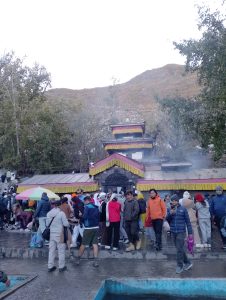
One of the most sacred sites in all of Asia, Muktinath (Chumig Gyatsa in Tibetan) is simultaneously revered by Vaishnavite Hindus as one of the 108 Divya Desams and by Tibetan Buddhists as a Chos-kor, or dharma place. The temple complex features 108 stone waterspouts, an eternal flame burning from natural gas seeping through the earth, and the main pagoda-style Vishnu shrine. The harmony between two distinct faith traditions sharing a single sacred geography is rare and moving.
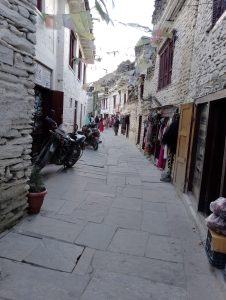
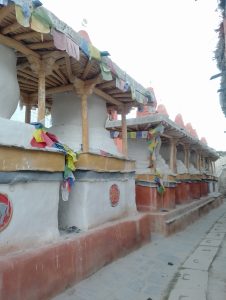
After breakfast, the real push into Upper Mustang begins. The road climbs through barren, wind-sculpted plateaus reminiscent of the Tibetan high plains — a landscape of ochre cliffs, eroded chortens (Buddhist stupas), and prayer-flag-strung ridgelines. Lunch at Chusang (3,060 m).
Lo-Manthang: The Walled Capital of the Lo Kingdom
Entering Lo-Manthang through its single fortified gateway is one of the most cinematic moments in Himalayan travel. The walled city of Lo-Manthang (3,730 m) was the seat of the Lo Kingdom, founded in the 14th century by Ame Pal. The settlement of roughly 150 households remains almost entirely intact behind its mud-brick perimeter walls – a living monument to Tibetan-influenced Mustangi culture.
Highlights within Lo-Manthang:
-
- Lo-Manthang Durbar (Royal Palace): The four-storey palace of the former Mustang king, Raja Jigme Dorje Palbar Bista
-
- Thubchen Gompa: A 15th-century monastery with remarkable floor-to-ceiling murals currently being restored by the American Himalayan Foundation
-
- Champa Lhakhang: One of the oldest monasteries in the Lo Kingdom
-
- Local Museum: Exhibits on the social history, trade routes, and material culture of the Loba people
Overnight: Lo-Manthang guesthouse (elevation 3,730 m)
Day 3: Lo-Manthang → Korala Border → Lete
Korala Border Crossing (4,660 m)
An early start is essential. The Korala Pass connects Nepal and the Tibet Autonomous Region of China, and at 4,660 m the air is thin, cold (−5°C at dawn), and spectacularly clear in late September. From the border ridgeline, you look north into the vast plateau of Tibet and south across the entire trans-Himalayan landscape of Upper Mustang. The border area has a small market trading Tibetan goods, yak wool textiles, and Buddhist artefacts.
Altitude caution: Acclimatisation is critical. Ascent to 4,660 m without adequate preparation increases the risk of Acute Mountain Sickness (AMS). Carry acetazolamide (Diamox) and monitor symptoms including headache, nausea, and confusion.
Jhong Cave (Sky Caves of Mustang)
On the return south, stop at the Jhong sky caves – a network of ancient man-made cavities carved into vertical cliff faces, some dating back over 2,000 years. Archaeological excavations in Upper Mustang’s caves have uncovered manuscripts, human remains, and artefacts suggesting use as meditation retreats, burial sites, and refuges. Access to the highest caves requires local guides and basic climbing equipment.
Afternoon: Marpha bazaar stop to purchase the region’s famous organic apples, apple jam, and distilled apple cider brandy – unique products of Mustang’s dry, high-altitude climate. Descent to Lete (2,470 m) for overnight.
Overnight: Lete guesthouse
Day 4: Lete → Pokhara (105 km | ~6 hours)
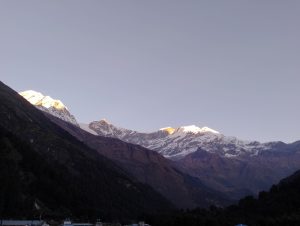
Wake before sunrise for a golden-hour view from Lete of the Nilgiri massif (7,061 m), Annapurna South (7,219 m), and the Lete Peak ridgeline bathed in alpenglow. This final morning vista is reward for four days of high-altitude travel.
The descent to Pokhara via Ambot (lunch stop featuring fresh local fish from the Kali Gandaki) retraces the route through Tatopani and Beni, arriving in Pokhara by early evening.
Packing List: Upper Mustang Jeep Tour in September
Packing for Upper Mustang means preparing for three distinct climate zones in one trip: subtropical Pokhara (800 m), temperate Jomsom (2,720 m), and high-altitude Lo-Manthang and Korala (3,700–4,660 m). Temperature swings of 30°C between midday and midnight are common at the upper elevations.
| Category | Item | Notes |
| Insulation | Down jacket (rated to −10°C) | Essential for Muktinath and Korala |
| Base layers | Thermal moisture-wicking base layers (×3) | Merino wool preferred |
| Mid-layer | Fleece jacket | Pairs under down jacket at night |
| Wind protection | Windproof shell jacket | Non-negotiable for Jomsom winds |
| Sleep | Sleeping bag rated to −15°C | Unheated guesthouses in Lo-Manthang |
| Eye protection | UV400 wraparound sunglasses | High-altitude UV intensity is severe |
| Hand protection | Insulated gloves | Nights at 3,700+ m |
| Footwear | Insulated, waterproof hiking boots | Trail walks at each stop |
| Medical | First aid kit + AMS medication (Diamox) | Carry personal prescription |
| Hydration | ORS sachets + 2L water bottle | Dehydration accelerates AMS |
| Comfort | Hot water bottle | Standard at high-altitude guesthouses |
| Documents | RAP permit + ACAP card + TIMS card | Keep physical copies in waterproof pouch |
| Sun protection | SPF 50+ sunscreen + lip balm | Reflected UV from dry terrain |
Getting There: How to Reach the Upper Mustang Starting Point
From Pokhara: Private jeep hire is the standard approach – a full jeep (4–5 passengers) for the 4-day circuit costs approximately USD 600–900 depending on season and negotiation, inclusive of driver, fuel, and basic logistics. Book through licensed operators in Lakeside, Pokhara.
Alternative – Pokhara to Jomsom by air: Tara Air and Summit Air operate Twin Otter flights from Pokhara Airport to Jomsom Airport (IATA: JMO) – one of the world’s most dramatic short-haul routes (20 minutes), which must depart before 10 AM before Kali Gandaki winds make landing impossible. From Jomsom, jeep hire continues into Upper Mustang.
Things to Do in Pokhara After the Upper Mustang Tour
Returning from the high-altitude desert to Pokhara’s lakeside is a culture shift worth embracing slowly.
Adventure activities:
-
- Paragliding from Sarangkot over Phewa Lake — arguably the best paragliding venue in Asia, with views of the Annapurna and Machhapuchhre (Fishtail) summits you just explored at ground level
-
- Zip Flyer Pokhara (Hemja) — at 1.8 km long and a 600-metre vertical drop, one of the steepest commercial zip lines in the world
-
- Boating on Phewa Lake — rent a wooden rowboat and paddle to Tal Barahi Temple, the two-storey pagoda on a small island in the centre of the lake
Food and culture:
-
- Himalayan Java (Lakeside) — Pokhara’s most celebrated specialty coffee house; excellent espresso and lake views
-
- Pokhara Thakali Kitchen — Authentic Thakali Thali from the same ethnic community (Thakali people of Mustang) whose cuisine shaped trail food culture on the Annapurna Circuit; a fitting post-trek meal
-
- Lakeside Strip — International cafes, live Nepali folk music, and gear shops along Baidam Road
Relaxation:
-
- Traditional Nepali massage at any of the Lakeside wellness centres – timed with post-trek muscle recovery in mind
-
- Phewa Lake sunset walk – the western shoreline toward the World Peace Pagoda offers the best golden-hour views in Pokhara
-
- Tal Barahi Arati Ceremony (evening) – a Hindu oil-lamp ritual at the lakeside ghats; atmospheric and spiritually grounding after four days in Buddhist-influenced Mustang
Frequently Asked Questions: Upper Mustang Jeep Tour
Is the Upper Mustang Jeep Tour suitable for non-trekkers? Yes. The jeep-based format makes Upper Mustang accessible to travellers who lack the fitness or time for multi-week trekking. Short trail walks at each stop are optional but highly recommended.
What is the best season for Upper Mustang? Spring (March–May) and autumn (September–November) are optimal. Upper Mustang is also one of the few places in Nepal accessible during monsoon (June–August) due to the Himalayan rain shadow effect.
Do I need trekking experience? No prior trekking experience is required. However, basic awareness of altitude sickness symptoms is essential before ascending to Lo-Manthang (3,730 m) and Korala (4,660 m).
How fit do I need to be? Jeep travel handles the major elevation gains. Short walks at sites like Muktinath (3,710 m), Jhong Cave, and Lo-Manthang require moderate mobility but no special fitness.
Is there mobile connectivity in Upper Mustang? Nepal Telecom (NTC) SIM cards provide intermittent coverage as far as Lo-Manthang. Beyond that, expect to be genuinely off-grid – which is part of the appeal.
Final Thoughts
The Upper Mustang Jeep Tour remains one of the most complete high-altitude cultural journeys available in the Himalayan region. From the Shakti temples of Galeshwor to the Tibetan-Buddhist monasteries of Lo-Manthang, from the apple orchards of Marpha to the lunar border landscape of Korala, every kilometre of this route covers ground that was closed to the world until 1992.
If you’ve already done the Annapurna Circuit or Everest Base Camp trek, Upper Mustang offers something meaningfully different – a destination where geopolitics, archaeology, living culture, and extreme landscape converge in four extraordinary days.